More Than Half of Recent Home Sellers Used Recording Devices During Showings
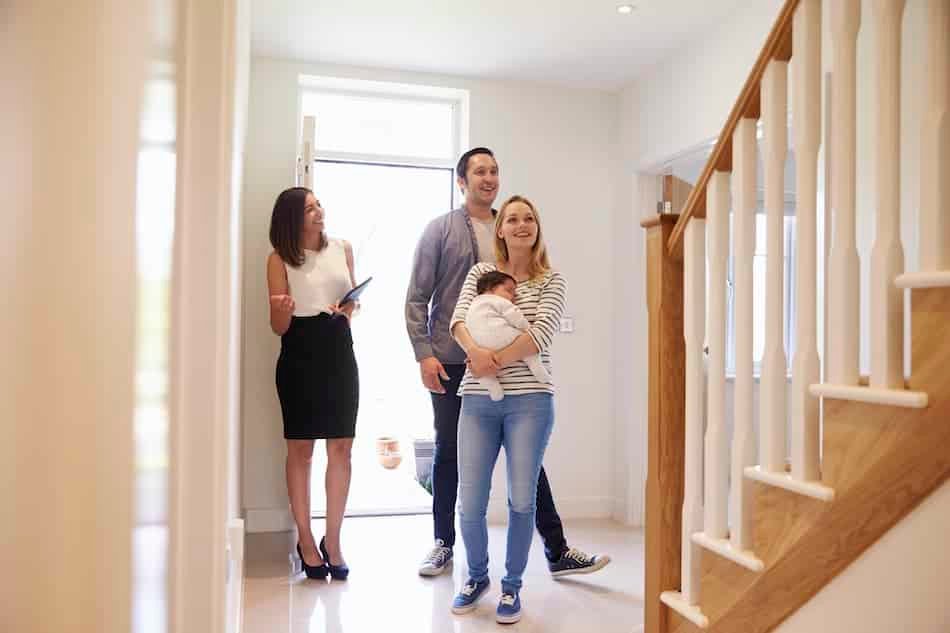
Recording devices in use during home showings is a common occurrence in today’s home-selling environment, and according to new research from LendingTree, it may be adding more stress to the buying process.
LendingTree said it surveyed 2,000 U.S. consumers.
According to the survey, a significant 56% of recent home sellers said recording devices were active during their most recent home sale or listing, and that the buyers are noticing.
LendingTree said that awareness appears to influence buyer behavior, potentially adding another layer of stress to an already high-pressure process.
Here are some key findings, according to LendingTree:
- Recording devices are common during home showings. Nearly three-quarters of recent buyers (72%) say they’ve seen or suspected cameras, microphones or recording devices during a home tour. Among recent sellers, 56% say recording devices were active during their most recent home sale or listing.
- Many Americans would use recording devices themselves, but buyers have concerns. Nearly two-thirds of consumers (62%) say they would be likely to keep recording devices active during showings if they were selling a home. However, 64% of recent buyers say they’re concerned about sellers watching, listening to or recording them during home tours.
- Concerns about being recorded affect buyer behavior. More than 1 in 5 recent buyers say they avoided discussing their budget or offer strategy (22%), hid their excitement about a home (22%) or avoided saying what they disliked (21%) because of concerns about being recorded.
- For some buyers, recording devices affected their willingness to move forward. Nearly 1 in 5 (19%) say they’ve left a showing because of recording devices, and 18% say they decided not to make an offer. Meanwhile, 34% of Americans say knowing recording equipment was used during a showing would make them less likely to submit an offer.
LendingTree noted that almost three-quarters (72%) of Americans who’ve bought a home in the past five years say they’ve seen or suspected cameras, microphones, or recording devices during a home tour.
Devices Were Active
Among those people who’ve sold a home in the past five years, 56% say recording devices were active during their most recent home sale or listing.
And, 56% of consumers who’ve sold a home recently kept recording devices active during showings.
LendingTree said that many recent buyers have had some advance notice, with 69% saying they were warned that recording devices might be present during the showing.
Matt Schulz, LendingTree chief consumer finance analyst and author of “Ask Questions, Save Money, Make More: How to Take Control of Your Financial Life,” said cameras are something buyers should expect.
“Assume you’re on camera the moment you walk through the front door,” he said. “Whether you like it or not, that’s the safest assumption. With that in mind, it makes sense to wait until after you’ve left the property to have any conversations that you wouldn’t want heard by the seller. You don’t want to accidentally weaken your negotiating position. Legally, it gets complicated because recording laws vary by state, especially when audio is involved. Sellers should make sure they’re following state law, and buyers should know they may have fewer privacy expectations in someone else’s home than they might assume.”
LendingTree said that there is a notable tension between how buyers feel about being recorded and what they say they’d do if the tables were turned.
Roughly two-thirds of Americans (62%) said they’d be likely to keep recording devices active during showings if they were selling a home.
Who Uses the Devices?
Parents and high earners are especially likely to say so, LendingTree noted, with 79% of those with children younger than 18 and 72% of six-figure earners saying they’d keep recording devices active as sellers.
Younger adults are also more likely to say so, LendingTree said, including 70% among Gen Zers ages 18 to 29 and 66% among millennials ages 30 to 45.
LendingTree noted, however, that 64% of recent buyers say they’re at least somewhat concerned about sellers watching, listening to or recording them during home tours.
Schulz noted that the contrast is unsurprising.
“It’s all about perspective,” he said. “When you’re the seller, cameras feel like security. When you’re the buyer, they can feel like surveillance. Many sellers are thinking about protecting their home and belongings. Most buyers are wondering, ‘Is every word I say being used against me?’ Those are both understandable reactions.”
It is possible that recordings change buyer behavior, LendingTree noted.
Cameras alter what buyers say and do inside homes, LendingTree said.
More than 1 in 5 recent buyers avoided discussing their budget or offer strategy (22%), hid their excitement about a home (22%), or avoided saying what they disliked (21%) because of concerns about being recorded, LendingTree said.
Buyers avoided discussing their budget or offer strategy because of recording concerns.
Schulz says buyers are right to be concerned. “That’s because even small amounts of extra information can affect negotiations, and that’s not what any buyer wants,” he says. “The best and simplest solution is to just keep quiet while you’re in the house. During the showing, focus on evaluating the home. After the showing, discuss what it’s worth to you and how you want to negotiate, but do it well away from any recording devices.”
Cameras are often used for security, LendingTree noted, but buyers may have reason to be cautious because many sellers use the recordings to shape how they sell.
LendingTree noted that among the 89 recent sellers surveyed who had recording devices active during their most recent home sale or listing, the top reasons for using them were monitoring vacant property (61%), protecting the home or valuables (43%) and knowing who entered the home (42%).
Sellers also cited the following reasons:
- To comply with insurance or security requirements (39%)
- To monitor pets, children or deliveries (35%)
- To decide whether to make repairs, changes or staging updates (21%)
- Because the devices are usually on and they didn’t think about turning them off (19%)
- To understand what buyers liked or disliked about the home (19%)
- To learn how interested buyers seemed (18%)
- To gather information that could help during negotiations (18%)
- To hear what their real estate agent said about the home (6%)
LendingTree noted that among those 89 sellers, 82% reviewed recordings after showings, and nearly half said what they saw influenced negotiations (45%), repairs or staging (43%) or pricing (35%).
Most sellers also say buyers were made aware of the recording devices, LendingTree said. Among those 89 sellers, 85% say buyers were told recording devices might be active, and 82% say the cameras were very or somewhat obvious during showings.
A Deal Breaker?
Recording devices have prompted some recent buyers to end the homebuying process, LendingTree said. with nearly 1 in 5 (19%) saying they’ve left a showing because of recording devices, and 18% saying they decided not to make an offer.
More broadly, 34% of Americans say knowing recording equipment was used during a showing would make them less likely to submit an offer.
Schulz said he believes cameras matter, but they aren’t necessarily a reason to walk away.
“If you’re uncomfortable about them, keep the tour brief and largely quiet and then share your thoughts and strategize elsewhere,” he said. “If the home is otherwise a great fit, I don’t think it makes sense to walk away over something that’s relatively easy to manage. However, if the presence of recording devices genuinely makes you uneasy, it’s OK to move on. Buying a home is a huge financial commitment, and you shouldn’t feel pressured into a situation that makes you uncomfortable.”